Short answer: before winter, clear your gutters, check for slipped or cracked tiles, look at the flashing around chimneys and walls, check the loft for damp, and clear moss and debris from flat roofs. Small problems are cheap to fix in autumn and much more expensive once winter rain finds its way in.
Winter is the hardest season for any roof. Heavy rain, strong winds and freezing nights all test the weak spots, and a small gap that does no harm in summer can become a leak by January. Homes near the coast in Poole, Bournemouth and Southampton get the worst of it, with salt air and wind-driven rain. This checklist covers what to look at before the worst weather arrives, what you can safely check yourself, and when to call a roofer.
Your winter roof checklist
1. Clear the gutters and downpipes
Blocked gutters are one of the most common causes of winter damp. When leaves and moss block the gutters, rainwater spills over the edge and runs down the walls, or backs up under the bottom row of tiles and soaks the roof timbers.
What to look for: water overflowing during heavy rain, plants growing in the gutters, sagging sections, and damp patches on the outside walls below them. Clear them once the leaves have fallen, and check that water runs freely out of each downpipe.
2. Check for slipped, cracked or missing tiles
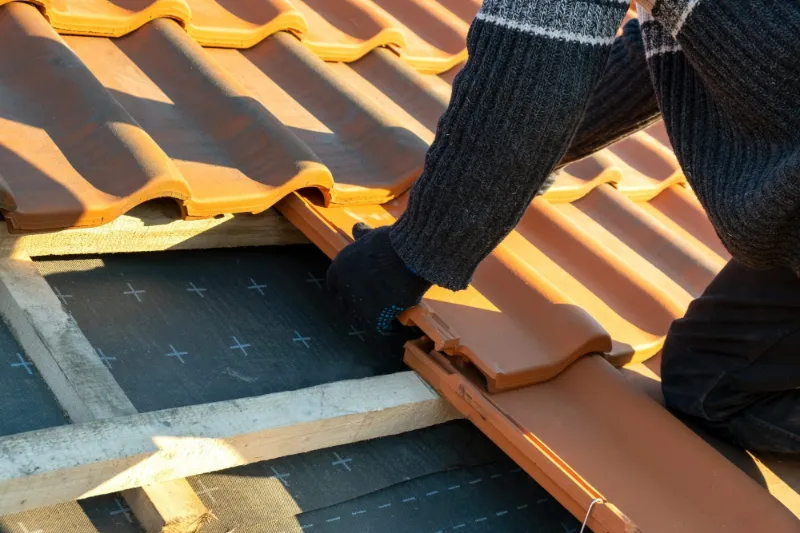
Autumn storms often loosen a few tiles or slates. A single gap lets rain reach the underlay, and if the underlay is old and brittle, the water goes straight onto the timbers and insulation. Walk around the house with binoculars and look along each row for gaps, tiles sitting out of line, and broken pieces in the gutters or on the ground.
3. Look at the flashing around chimneys and walls
Flashing is the strip of lead or other material that seals the joins where the roof meets a chimney, a wall or a dormer window. It is one of the most common places for a winter leak. Look for flashing that has lifted, cracked or pulled away, and for gaps in the mortar along its edges.
4. Check the ridge and verge mortar
The ridge is the top line of the roof, and the verges are its edges at each gable end. On many older roofs, the tiles along these lines are bedded in mortar. Frost makes cracked mortar worse, because water gets into the cracks, freezes and expands. Loose ridge tiles can also blow off in high winds, so it is worth having cracked mortar repaired before the storms arrive.
5. Check the loft for damp
The loft shows roof problems before they reach your ceilings. On a bright day, take a torch up and look for:
Daylight showing through the roof
Dark stains or tide marks on the rafters
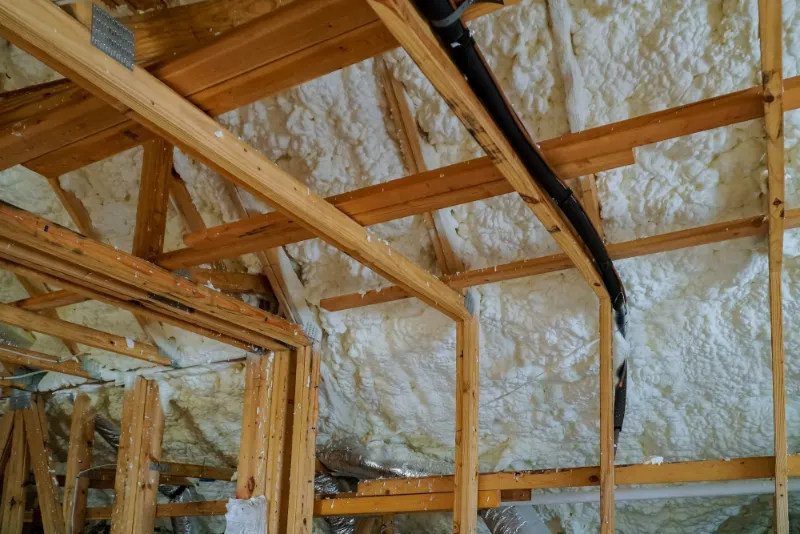
Damp, flattened or mouldy insulation
Underlay that is torn, brittle or sagging between the rafters
Droplets on the underside of the roof or mould on the timbers can also be a sign of condensation rather than a leak. This often happens when the loft is not ventilated well enough. Either way, it is worth getting checked before winter.
6. Clear flat roofs and check for pooling
Flat roofs on extensions, garages and dormers collect leaves, moss and standing water. Standing water puts weight on the roof and finds its way into any small split. After rain, look for puddles that are still there a day or two later, and for blisters, cracks or splits in the surface. Felt flat roofs typically last 10 to 20 years, so an older felt roof is worth checking every autumn.
7. Deal with moss and overhanging branches
A little moss on sound tiles is not usually a problem in itself, but thick moss holds water against the roof and blocks gutters as it washes down. Trim back branches that touch or hang over the roof, because they scrape the tiles, drop leaves into the gutters and can cause real damage in a storm.
What you can check yourself, and what to leave to a roofer
Never climb onto the roof yourself. Wet, cold tiles are slippery, and most of what you need to see is visible from the ground or the loft.
From the ground: use binoculars to check the tiles, ridge, flashing and gutters.
From the loft: go up on a bright day with a torch and check for the damp and daylight signs above.
After a storm: check the garden and gutters for fallen tiles, slates or pieces of mortar.
Take photos of anything you find. They help a roofer give you useful advice before a visit.
If you cannot see the whole roof from the ground, a drone roof survey gives you close-up photos of every part of it without scaffolding or anyone climbing up.
Why it pays to fix small problems before winter
A few slipped tiles or a short length of lifted flashing is a quick, affordable repair. Left through a wet winter, the same gap can soak the underlay, rot the battens and timbers, and damage the insulation and ceilings below. Autumn is also usually easier for booking work, before storm damage call-outs pick up.
Frequently asked questions
When is the best time to check my roof before winter?
Late October to November is ideal, once most of the leaves have fallen but before the heaviest rain and frosts. It is also worth a quick check from the ground after any big storm.
Does home insurance cover storm damage to my roof?
Home insurance usually covers sudden damage, such as tiles blown off in a storm, but not wear and tear. If the damage was caused by poor maintenance or the roof's age, a claim may be refused. Check your own policy for the details, and take photos of any storm damage straight away.
What should I do if my roof starts leaking in winter?
Put a bucket under the drip, move anything valuable out of the way, and if water is coming through a ceiling, keep clear of it in case the plaster gives way. Then call a roofer. A leak can usually be made safe with a temporary repair, with the permanent fix done once the weather allows.
Can roofs be repaired in winter?
Yes. Most repairs can be carried out in winter, working around the weather. Some jobs, such as mortar work and certain flat roof systems, need dry, frost-free days, so they may be scheduled for a suitable spell.
How quickly can a roofer visit?
Roofing & Insulation Services can usually visit within three working days of your call, anywhere in Dorset and Hampshire. Active leaks are made safe within 24 hours wherever possible.
Book a free roof check in Dorset or Hampshire
Roofing & Insulation Services Ltd is a roofing, insulation and damp company based in Poole, Dorset. We cover all of Dorset and Hampshire, including Poole, Bournemouth, Southampton and Portsmouth. Every quote is free with no obligation. We are open Monday to Saturday, 8am to 6pm, with a 24/7 emergency service.
Call 0330 133 1753 or request a free quote online. You can also read more about our roofing services.